
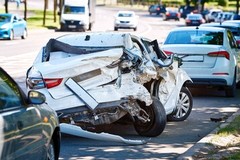
A serious collision can leave more than just dented panels and shattered glass. Sometimes the damage runs all the way to the backbone of your vehicle: the frame. If you have recently been in a wreck and are wondering whether the structure underneath your car can be saved, you are asking one of the most important questions in collision repair in the Boston area. So, can you fix a bent frame on a car? In most cases, yes, but the answer depends on the severity of the damage, the type of frame, and whether the repair can restore the vehicle to a safe, structurally sound condition.
Understanding what happens to a frame during an accident, and how modern shops evaluate and correct it, can help you make a confident decision about your next steps. Let's walk through what frame damage really means and what your options are.
What Does a Bent Frame Actually Mean?
The frame is the load-bearing skeleton of your vehicle. It supports the engine, absorbs impact energy in a crash, and keeps the wheels, suspension, and body aligned. When a collision delivers enough force, that structure can bend, twist, or crumple, even if the outer body looks only moderately damaged.
There are two common frame designs on the road today. Older trucks and some SUVs use a body-on-frame construction, where the body sits on a separate steel ladder frame. Most modern cars use a unibody design, where the frame and body are welded into a single integrated structure. Both can be damaged in an accident, and both can often be repaired, but the methods differ. Unibody vehicles in particular are engineered with crumple zones that deform on purpose to protect passengers, which means precise measurement is essential to bring everything back to factory specifications.
Signs Your Car May Have Frame Damage
Frame damage is not always obvious from the outside, which is one reason a professional inspection matters so much after a serious crash. Even a car that starts and drives may be hiding structural problems that affect safety and performance over time.
Some warning signs are easier to spot than others. Watch for these common indicators:
- The car pulls to one side or the steering wheel sits crooked when driving straight
- Uneven or premature tire wear despite proper inflation
- Doors, the hood, or the trunk that no longer close flush or line up correctly
- Visible creases, bends, or fresh welds on structural components
- Unusual noises, shaking, or a feeling that the car handles differently than before
If you notice any of these after a collision, it is worth having the vehicle examined right away. Small misalignments can grow into larger safety concerns, and driving on a compromised frame reduces how well your car can protect you in a future accident.
Can You Fix a Bent Frame on a Car?
This is where the question gets practical. Can you fix a bent frame on a car in a way that is genuinely safe? For most vehicles, the answer is yes, provided the damage falls within the manufacturer's repairable tolerances and the shop has the right equipment and training.
Modern frame repair begins with computerized measuring systems. Technicians attach the vehicle to a frame machine, which uses lasers or targeted sensors to compare the current dimensions of the frame against the exact factory specifications. This gives an objective picture of where and how far the structure has shifted. From there, hydraulic equipment applies controlled force to pull the metal back into its original position, one measurement at a time. The process is methodical and precise, not a matter of simply bending things back by hand.
Steel frames often respond well to this kind of straightening. Some sections that are too badly crumpled to reshape can be cut out and replaced with new structural components welded in according to manufacturer guidelines. When the work is done correctly and verified by re-measurement, the repaired frame can meet the same standards it had when the car left the factory. You can learn more about our full range of collision repair services in Boston and the surrounding areas to understand what a complete restoration involves.
When a Frame Cannot or Should Not Be Repaired
Not every frame can be brought back. If the damage is so severe that the metal is stretched, torn, or compromised beyond safe tolerances, repair may no longer be the right choice. Certain high-strength steels and aluminum structures used in newer vehicles are also designed to be replaced rather than straightened in specific areas, because reheating or bending them can weaken the material.
Cost is another factor. When the price of restoring the frame plus the rest of the collision damage approaches or exceeds the value of the vehicle, an insurance company may declare the car a total loss. That decision is not a reflection of whether the frame technically could be fixed, but of whether it makes financial sense to do so. A trustworthy shop will be honest with you about which situation you are facing rather than pushing a repair that is not in your best interest. Our approach to customer-focused collision repair means we walk you through the findings clearly so you can make an informed choice.
Why Professional Frame Repair Matters
Frame work is not a project for guesswork or shortcuts. The frame directly influences how your vehicle handles, how evenly your tires wear, how your safety systems perform, and how well the car will protect you in another crash. A frame that is even slightly off specification can cause ongoing alignment problems and reduce the effectiveness of airbags and crumple zones.
That is why proper diagnosis and repair depend on trained technicians, calibrated measuring systems, and adherence to manufacturer procedures. A quality shop documents the before and after measurements, uses the correct welding and replacement methods for your specific vehicle, and verifies that everything meets factory tolerances before returning the car to you. If you ever have doubts about a repair, ask to see the measurement data. A reputable shop will gladly show it.
Dealing with frame damage also usually means working with your insurance company, and that process can feel overwhelming after an accident. Having a shop that helps coordinate the claim can take a great deal of stress off your shoulders. Our team can help you navigate the paperwork through our insurance claims center so you can focus on getting back on the road.
Getting Back on the Road Safely
So to return to the core question one more time: can you fix a bent frame on a car? In many cases you can, and a properly repaired frame can restore your vehicle to safe, factory-standard condition. The key is an accurate diagnosis, the right equipment, and technicians who follow manufacturer specifications rather than cutting corners. The severity of the damage, the type of frame, and the value of the vehicle all shape whether repair or replacement is the smarter path.
If you have been in an accident and suspect structural damage, do not wait or assume the car is fine because it still drives. The safest move is to have the frame professionally measured and inspected as soon as possible. We serve drivers throughout Boston and neighboring towns, and we are happy to help you understand exactly what your car needs.
When you are ready, reach out for a collision repair estimate in Boston and let our team assess the damage, explain your options, and guide you through the repair from start to finish. Getting a clear, honest evaluation is the first step toward driving with confidence again.