
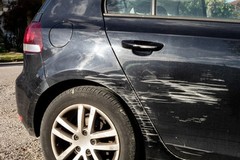
That fresh scratch across your door panel seems to appear out of nowhere. A tight parking spot, a runaway shopping cart, a low-hanging branch, or a careless neighbor can leave your paint marred in seconds. Knowing how to properly fix scratches on a car depends almost entirely on how deep the damage goes, and treating a deep gouge like a surface scuff can make things worse instead of better. Whether you handle a minor mark yourself or bring it to a shop for professional auto collision repair in Boston, understanding the type of scratch you are dealing with is the first step toward a clean, lasting fix.
Automotive paint is built in layers, and each layer plays a role in how a scratch looks and how it should be repaired. On top sits the clear coat, which protects the color and gives the finish its shine. Beneath that is the base coat, or the actual paint color, followed by a primer and finally the bare metal or plastic of the panel. The deeper a scratch cuts through these layers, the more involved the repair becomes.
How to Tell Surface Scratches From Deep Ones
Before you decide how to fix scratches on a car, take a close look in good lighting and run your fingernail lightly across the mark. If your nail glides over it without catching, you are likely dealing with a surface scratch that only affects the clear coat. These are often faint, hairline marks or a hazy scuff, and they usually respond well to polishing.
If your fingernail catches in the groove, the scratch has cut into the base coat or deeper. When you can see a color that does not match the paint, such as white primer or bare gray metal, the damage has reached the lower layers. Deep scratches like these need more than a buff. They require filling, priming, color matching, and clear coating to restore both appearance and protection. Ignoring a deep scratch invites rust, especially through New England winters when road salt is everywhere.
Fixing Light Surface Scratches at Home
Surface scratches are the most forgiving kind of damage, and many can be improved with a little patience and the right products. Start by washing the area thoroughly so no dirt or grit remains, since debris can create new scratches during the repair. Dry it completely before you begin.
For very light clear coat marks, a quality scratch removal compound or a fine polishing product applied with a soft microfiber cloth or a dual-action polisher often does the trick. Work in small circles with light pressure, then wipe clean and inspect your progress. It may take a few passes. Once the scratch fades, apply a coat of wax or sealant to protect the finish. Keep in mind that these methods work by gently leveling the clear coat, so they only help when the scratch has not reached the paint color underneath.
A few tips make home repair go more smoothly:
- Always work in shade on a cool panel, never in direct sunlight.
- Use products designed for automotive clear coat, not household abrasives.
- Test in a small, inconspicuous spot first to confirm the result.
- Stop if the scratch is not improving, since aggressive rubbing can burn through the clear coat.
Why Deep Scratches Need Professional Attention
Once a scratch reaches the base coat, primer, or metal, do-it-yourself kits rarely deliver results that hold up over time. Touch-up pens and bottled paint can dull the appearance of a deep scratch, but they seldom match factory color perfectly, and the repair often looks patchy from certain angles. More importantly, a surface-level touch-up does not properly seal the panel, leaving moisture a path to reach bare metal.
Professional repair addresses the damage at every layer. A technician cleans and sands the area, applies primer where needed, and mixes paint to match your vehicle's exact color code, then blends it into the surrounding panel so the repair disappears. A fresh clear coat restores the shine and, just as importantly, the protective barrier that keeps corrosion at bay. This layered approach is why a professionally repaired scratch looks factory-fresh rather than obviously touched up. You can learn more about the full range of options through our collision and accident repair services.
Modern vehicles add another wrinkle. Many newer cars carry specialty finishes, pearl coats, or multi-stage metallic paints that are genuinely difficult to match without professional equipment and experience. Trying to fix scratches on a car with one of these finishes at home often leads to a mismatch that stands out more than the original damage. When color accuracy matters, the right tools and trained eyes make all the difference.
When a Scratch Signals Bigger Damage
Not every scratch is just a scratch. If the mark came from a collision, curb strike, or another impact, the panel underneath may be dented, creased, or misaligned even if it looks minor at first. Paint that is scratched over a dent needs the dent addressed first, otherwise the repaired finish will only draw attention to the underlying deformation.
This is where a professional inspection pays off. A shop can tell you whether you are looking at cosmetic damage or something structural, and whether it makes sense to file an insurance claim. If another driver was involved, our insurance claims center can help you navigate the paperwork and get your vehicle back to its pre-accident condition. Catching hidden damage early prevents small problems from turning into expensive ones down the road.
Protecting Your Paint Going Forward
Once your car looks right again, a few habits help keep it that way. Wash regularly to remove abrasive grit, avoid automatic brush car washes that can leave swirl marks, and park away from tight spaces when you can. A coat of quality wax or a paint protection film adds a sacrificial layer that takes minor abuse before your clear coat does. These small steps stretch the time between repairs and keep your finish looking sharp.
Even with careful maintenance, life happens. Scratches are one of the most common reasons drivers across Boston and the surrounding areas bring their vehicles in, and the good news is that most are very fixable when handled correctly. The key is matching the repair to the depth of the damage rather than reaching for a one-size-fits-all solution.
If you are not sure whether a scratch is surface-level or deep, or if a DIY attempt did not turn out the way you hoped, the team at Auto Body Clinic in Peabody is glad to take a look. We can assess the damage, recommend the most sensible fix, and provide a clear, honest customer-focused approach every step of the way. To learn what your repair might involve, reach out for a collision repair estimate in Boston and let us help restore your car's finish. Knowing the right way to fix scratches on a car means the difference between a repair that lasts and one you notice every time you walk up to your vehicle.