
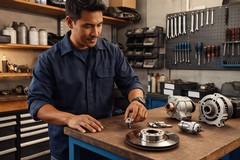
Every year, millions of pounds of automotive waste move through repair shops, driveways, and garages across Massachusetts. From worn brake pads to leaking batteries, the parts we replace during routine maintenance or auto collision repair in Boston do not simply vanish. They have to go somewhere, and where they go matters a great deal for the environment and for staying on the right side of the law. Understanding how to dispose of car parts is one of those overlooked skills that separates a responsible vehicle owner from someone who creates a mess for their community.
At Auto Body Clinic in Peabody, we handle automotive waste every day, and we know the rules can feel confusing. Some parts are harmless and recyclable, while others are classified as hazardous and carry real penalties if tossed in the trash. This guide breaks down the practical, legal way to deal with old components so you can clear out your garage with confidence.
Why Proper Disposal Matters More Than You Think
Car parts are not ordinary household waste. Many contain heavy metals, petroleum products, or chemicals that can leach into soil and groundwater when thrown into a landfill. A single car battery, for example, holds lead and sulfuric acid, both of which are dangerous to people and wildlife. Used motor oil from one oil change can contaminate thousands of gallons of fresh water if it reaches a storm drain.
Massachusetts has some of the stricter environmental regulations in the country, and that extends to automotive materials. Improper disposal of hazardous auto waste can result in fines, and businesses that cut corners face even steeper consequences. Beyond the legal angle, there is a simple matter of being a good neighbor. When you learn how to dispose of car parts correctly, you protect the water, air, and land that everyone in Boston and the surrounding communities shares.
Sorting Parts Into the Right Categories
The first step is figuring out what you actually have. Not every component follows the same rules, and treating them all the same is where people get into trouble. Broadly speaking, automotive parts fall into three groups: recyclable metals and components, hazardous materials, and general waste.
Recyclable items include things like scrap metal body panels, aluminum wheels, radiators, and catalytic converters. These have genuine value and should never hit the trash. Hazardous materials cover batteries, motor oil, antifreeze, brake fluid, and refrigerant from air conditioning systems. General waste is a smaller category, often limited to items like worn upholstery or certain plastics that cannot be recycled locally. Knowing which bucket a part belongs in makes the entire process far simpler.
How to Dispose of Car Parts That Are Hazardous
Hazardous automotive waste demands the most attention because it poses the greatest risk. Learning how to dispose of car parts in this category usually means taking them to a dedicated facility rather than your curbside bin.
Car batteries are the clearest example. Most auto parts retailers accept old batteries for recycling, and many offer a small core credit when you buy a replacement. Used motor oil and oil filters can be dropped at service stations and recycling centers that collect them, where the oil is re-refined for future use. Antifreeze is highly toxic and sweet-tasting, which makes it especially dangerous to pets and children, so it must go to a household hazardous waste collection event or an approved facility. Air conditioning refrigerant is regulated under federal law and can only be handled by certified technicians, which is one reason it belongs with a professional shop.
Here is a quick reference for the most common hazardous parts and where they belong:
- Batteries: auto parts stores or recycling centers, often with a core credit
- Motor oil and filters: service stations and oil recycling drop-offs
- Antifreeze and brake fluid: household hazardous waste collection sites
- Refrigerant: certified technicians only, never released into the air
Recycling Metal and Reusable Components
A large share of any vehicle is made from recyclable material, and metal is king. Steel and aluminum from body panels, bumpers, and frames can be sold or donated to scrap yards, where they are melted down and given new life. This keeps usable material out of landfills and reduces the demand for newly mined metal.
Some parts are worth more intact than as scrap. Alternators, starters, transmissions, and catalytic converters are frequently rebuilt and resold, which is why remanufactured parts are common in the repair world. If a component still has life in it, selling it to a salvage yard or a rebuilder is both profitable and responsible. Tires deserve a special mention because they cannot go in regular trash in Massachusetts. Most tire retailers charge a small disposal fee and send old tires to be recycled into products like playground surfaces, mulch, and road material.
When to Let the Professionals Handle It
For many drivers, the easiest and safest path is simply letting a repair shop take care of disposal. When you bring your vehicle in for service or collision work, the parts we remove stay with us, and we route each one to the proper recycler or hazardous waste channel. You never have to worry about hauling a leaking battery across town or finding a facility that accepts used antifreeze.
This is particularly true after an accident, when a vehicle may have multiple damaged components containing fluids and sharp metal. Shops that perform auto accident repair in Boston are already equipped to manage that waste stream safely and legally. Handing the job to a shop that knows how to dispose of car parts the right way removes the burden from your shoulders and guarantees everything is documented and handled to code. If you ever have questions about what happens to your old components, we are happy to walk you through our process.
A Few Simple Habits That Make a Difference
Responsible disposal becomes second nature once you build a few habits. Keep a dedicated, sealed container for used oil so it never spills. Label anything hazardous clearly if you store it temporarily, and never mix fluids together, since that can create new dangers and make recycling impossible. Check your town's website for household hazardous waste collection dates, which many Massachusetts communities host several times a year. When in doubt about how to dispose of car parts you are unsure about, call a local shop or recycling center before guessing.
Caring for your vehicle and caring for your community go hand in hand. We take pride in doing this work the right way for drivers throughout Boston and neighboring towns, and that commitment extends to how we treat the materials we remove from every car that comes through our doors. The same attention we put into our customer-focused repair work carries over to our environmental practices.
The next time you replace a battery, swap a set of tires, or upgrade a part, remember that the final step matters just as much as the installation. Sort your materials, use the right drop-off locations, and recycle whatever you can. If it feels like too much to manage on your own, reach out to our team in Peabody. We are glad to help you handle old parts safely, legally, and without the guesswork.