
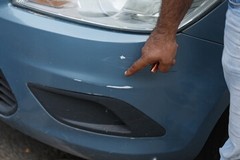
That tiny fleck of missing paint on your hood may look harmless, but it can quietly turn into a much larger problem over time. Road debris, gravel kicked up by other vehicles, and everyday wear all leave behind small chips that expose the metal underneath your car's finish. The good news is that you often do not need a costly, full-body respray to make things right. Knowing how auto body repair shops in Boston approach these small blemishes can save you money and protect your vehicle's value. Learning to fix chips in car paint early is one of the smartest maintenance habits a driver can build.
At Auto Body Clinic in Peabody, we see plenty of vehicles come through our doors with damage that started as a single overlooked chip. When paint is left broken, moisture and salt work their way beneath the surface, and what could have been a simple touch-up becomes rust repair. This guide walks you through why chips matter, how to address them, and when it makes sense to leave the work to a professional.
Why Small Paint Chips Deserve Your Attention
Your car's paint is more than a cosmetic layer. It is a protective barrier made up of several coats, including primer, base color, and a clear topcoat, all working together to shield the metal body from the elements. When a chip breaks through those layers, it creates an opening for water, road salt, and oxygen to reach bare steel. In a climate like New England's, where winter roads are heavily salted, that combination accelerates corrosion quickly.
Left alone, a pinhead-sized chip can spread into a spot of rust that bubbles the surrounding paint and spreads outward. At that stage, repairs become far more involved and expensive. Addressing damage while it is still small keeps the problem contained and preserves the appearance and resale value of your vehicle. This is exactly why learning to fix chips in car paint promptly pays off in the long run.
Handling Minor Chips at Home
For very small chips that have not yet reached bare metal or begun to rust, a careful do-it-yourself touch-up can be a reasonable first step. The key is patience and preparation, because rushing the job often leaves a result that looks worse than the original damage. Start by finding your car's exact paint code, which is usually printed on a sticker inside the driver's door jamb or in the glove box. Matching the color correctly is the single most important factor in a repair that blends in rather than standing out.
Once you have the right touch-up paint, the process generally follows a few basic steps:
- Clean the chipped area thoroughly with mild soap and water, then wipe it with a small amount of rubbing alcohol to remove any wax or grease.
- Lightly smooth any rough edges around the chip so the new paint has a clean surface to adhere to.
- Apply primer if the chip reaches metal, then build up thin layers of color with a fine brush or applicator, letting each coat dry before adding the next.
- Finish with a clear coat once the color has cured, and allow ample drying time before washing or waxing.
This approach works best for isolated, shallow chips on flat panels. Curved surfaces, metallic and pearl finishes, and larger clusters of damage are much harder to blend by hand, and that is where the limits of a home repair become obvious.
When to Call a Professional
There is a point where a touch-up bottle simply cannot deliver the result you want, and recognizing that line saves both time and frustration. If the chip has already started to rust, if it covers a wide area, or if it sits on a highly visible panel like the hood or a door, professional attention is usually the better choice. Technicians have access to color-matching technology, spray equipment, and refinishing techniques that produce a seamless blend the naked eye cannot detect.
Professionals also understand how to feather new paint into the existing finish so there is no hard edge or color mismatch under different lighting. Modern factory finishes often include subtle metallic flakes and multiple tinted layers that are nearly impossible to replicate with a brush. When you want the repair to look as though the damage never happened, a shop can deliver a finish that a home kit cannot match. Our team focuses on a customer-focused collision repair experience so you understand exactly what your vehicle needs before any work begins.
The Difference Between a Touch-Up and a Full Repaint
Many drivers assume that any paint damage means an expensive, full-vehicle respray, but that is rarely the case. A full repaint involves stripping and refinishing entire panels or the whole car, which is time-consuming and costly. Most chip and scratch damage, by contrast, can be corrected through spot repairs or by refinishing only the affected panel. This targeted approach costs far less and keeps your original factory finish intact everywhere else.
Choosing to fix chips in car paint through a localized repair rather than a complete respray is often the more sensible investment. It restores protection and appearance where it is needed without the expense and downtime of blanket refinishing. A qualified shop will evaluate the extent of the damage and recommend the least invasive option that still delivers a lasting, professional result. Drivers throughout Boston and the surrounding areas frequently discover that what they feared would be a major bill turns out to be a straightforward fix.
Preventing Future Paint Damage
While you cannot avoid every piece of flying gravel, a few habits reduce how often you will need to fix chips in car paint. Keeping a healthy distance behind other vehicles limits the debris thrown toward your hood and windshield. Regular washing removes abrasive grit and corrosive road salt before they can work into small imperfections. Applying a quality wax or paint sealant adds a sacrificial layer that helps deflect minor impacts and makes the surface easier to clean.
Parking away from gravel lots and construction zones, and using a garage or cover when possible, further protects your finish from both physical and environmental damage. These small steps extend the life of your paint and cut down on the frequency of repairs. Prevention is always less expensive than correction, and a little routine care goes a long way.
Small paint chips truly do make a big difference, both in how your car looks and in how well it holds up over the years. Catching damage early, using the right method for the situation, and knowing when to hand the job to a professional will keep your vehicle protected without the cost of a full repaint. Whether you tackle a minor touch-up yourself or bring your car to a trusted shop, acting sooner rather than later is always the smarter move.
If you are unsure how deep the damage goes or want a finish that matches perfectly, our team in Peabody serves drivers across Boston and neighboring towns with expert refinishing and repair. Reach out for a collision repair estimate in Boston, and we will help you decide on the right path to restore your car's finish and protect it for the road ahead.