
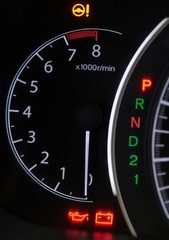
A speedometer that suddenly reads zero while you're cruising down Route 1 is more than an annoyance. It's a safety concern, a potential ticket waiting to happen, and often a sign that something under the hood or within your vehicle's electronics needs attention. When drivers ask us how to fix a speedometer on a car, the honest answer is that it depends entirely on what's causing the problem in the first place. From worn cables to failing sensors, the culprits vary widely. Our team, known for quality auto collision repair in Boston, sees speedometer issues crop up in all kinds of vehicles, and understanding the root cause is the first step toward a lasting fix.
Whether your needle bounces erratically, sits frozen, or your digital display flickers out entirely, the good news is that most speedometer problems are repairable. The trick is diagnosing them correctly so you don't waste money replacing parts that were never broken. Let's walk through what typically goes wrong and what your realistic repair options look like.
How Modern Speedometers Actually Work
To understand the failures, it helps to know the basics. Older vehicles used a mechanical setup, where a cable spun by the transmission physically drove the needle on your dash. Newer cars rely on electronic vehicle speed sensors that send signals to the vehicle's computer, which then displays your speed digitally or through a driven gauge. This distinction matters a great deal, because the way you fix a speedometer on a car built in 1995 is very different from how you'd approach one built in 2020.
In electronic systems, the speed sensor is usually mounted on the transmission or wheel hub. It reads how fast a toothed ring is rotating and translates that into a signal. When that signal gets interrupted by a bad sensor, a corroded connector, or a wiring fault, your speedometer suffers. Knowing which system your car uses narrows the list of possible problems considerably.
Common Signs Something Is Wrong
Speedometer trouble rarely announces itself politely. Sometimes the failure is gradual, and other times it happens all at once. Paying attention to how the problem presents itself gives a technician valuable clues before any tools come out.
- The needle stays pinned at zero even while you're clearly moving.
- Readings jump around erratically or lag behind your actual speed.
- A digital display flickers, blanks out, or shows nonsensical numbers.
- A check engine light appears alongside the speedometer issue.
- Your cruise control stops working, since it often relies on the same speed signal.
That last point surprises a lot of drivers. Because the vehicle speed sensor feeds data to multiple systems, a single failing component can affect your transmission shifting, your odometer, and even your traction control. What looks like a simple gauge problem can actually be a symptom of something with broader consequences.
What Typically Causes Speedometer Failure
The most frequent offender in modern vehicles is a faulty speed sensor. These small components live in a harsh environment full of heat, vibration, and road grime, and they wear out over time. When one fails, replacing it is usually straightforward, though accessing it can require some disassembly depending on the vehicle.
Wiring and connector issues are another common source of trouble. A corroded ground, a chafed wire, or a loose connector can interrupt the signal intermittently, which produces those maddening readings that come and go. Because these faults hide within the harness, they take patience and proper diagnostic equipment to track down. Guessing rarely works here.
In older mechanical setups, a frayed or broken speedometer cable is the classic problem. You'll often hear a squealing or clicking noise from behind the dash before it fails completely. Finally, the instrument cluster itself can go bad. Solder joints crack, gauge motors seize, and circuit boards fail, especially in higher mileage vehicles. In these cases, the fix might involve repairing or replacing the cluster entirely.
Repair Options Worth Considering
Once the cause is identified, the path forward becomes much clearer. For a bad speed sensor, replacement with a quality part is typically the answer, and it restores accurate readings across all the systems that depend on that signal. Wiring problems call for careful repair of the damaged section rather than a wholesale harness replacement, which keeps costs reasonable. A broken cable in an older car is usually an inexpensive fix once the labor to reach it is factored in.
Instrument cluster problems are where things get more involved. Some clusters can be rebuilt, while others need replacement and programming so the odometer reading transfers correctly. This is one area where working with an experienced shop pays off, because improper cluster work can create legal and functional headaches down the road. When you need to fix a speedometer on a car with a failing cluster, precision matters more than speed.
A word of caution about diagnosing these issues yourself: because speedometer faults often overlap with transmission and computer systems, throwing parts at the problem tends to be expensive and frustrating. Proper diagnostic scanning saves time and money by pointing directly to the failure. We always recommend a professional assessment before committing to any repair. You can learn more about our full range of collision and accident repair services in Boston and the surrounding areas when you're ready to schedule a look.
Can You Drive With a Broken Speedometer?
Technically, your car will still run with a non-functioning speedometer, but that doesn't make it a good idea. Without an accurate speed reading, you're guessing at your pace, which is dangerous in traffic and risky when it comes to speed limits. In Massachusetts, driving without a working speedometer can also raise questions if you're ever pulled over. Beyond the legal angle, remember that the same sensor often controls your transmission's shift points, so ignoring the problem could lead to poor performance or accelerated wear.
Our advice is simple. Treat a speedometer failure as a repair worth addressing promptly rather than something to postpone. The longer an electrical or sensor fault persists, the greater the chance it affects connected systems. Catching it early usually means a smaller, less costly repair.
Why Choose a Trusted Local Shop
Speedometer repairs sit at the intersection of electrical diagnostics, mechanical know-how, and computer programming. That combination is exactly why choosing the right shop makes such a difference. Our team serves drivers throughout Boston and neighboring communities, bringing the same attention to detail we apply to every vehicle that comes through our doors. We take pride in explaining what's wrong in plain language so you can make an informed decision, and our commitment to customer-focused collision repair extends to every service we perform.
If your gauge has stopped cooperating, don't let uncertainty keep you guessing behind the wheel. Reach out for a proper diagnosis and honest recommendations. We're happy to provide a clear assessment, and if your situation involves broader damage, we can even prepare a collision repair estimate in Boston so you understand the full scope before any work begins.
To recap, speedometer problems usually trace back to a failing speed sensor, damaged wiring, a broken cable, or a faulty instrument cluster, and the right fix depends on which one is at fault. Accurate diagnosis prevents wasted spending, prompt attention protects your connected systems, and professional repair keeps you safe and legal on the road. When you're ready to fix a speedometer on a car the right way, contact Auto Body Clinic and let our experienced team get your dash reading true again.